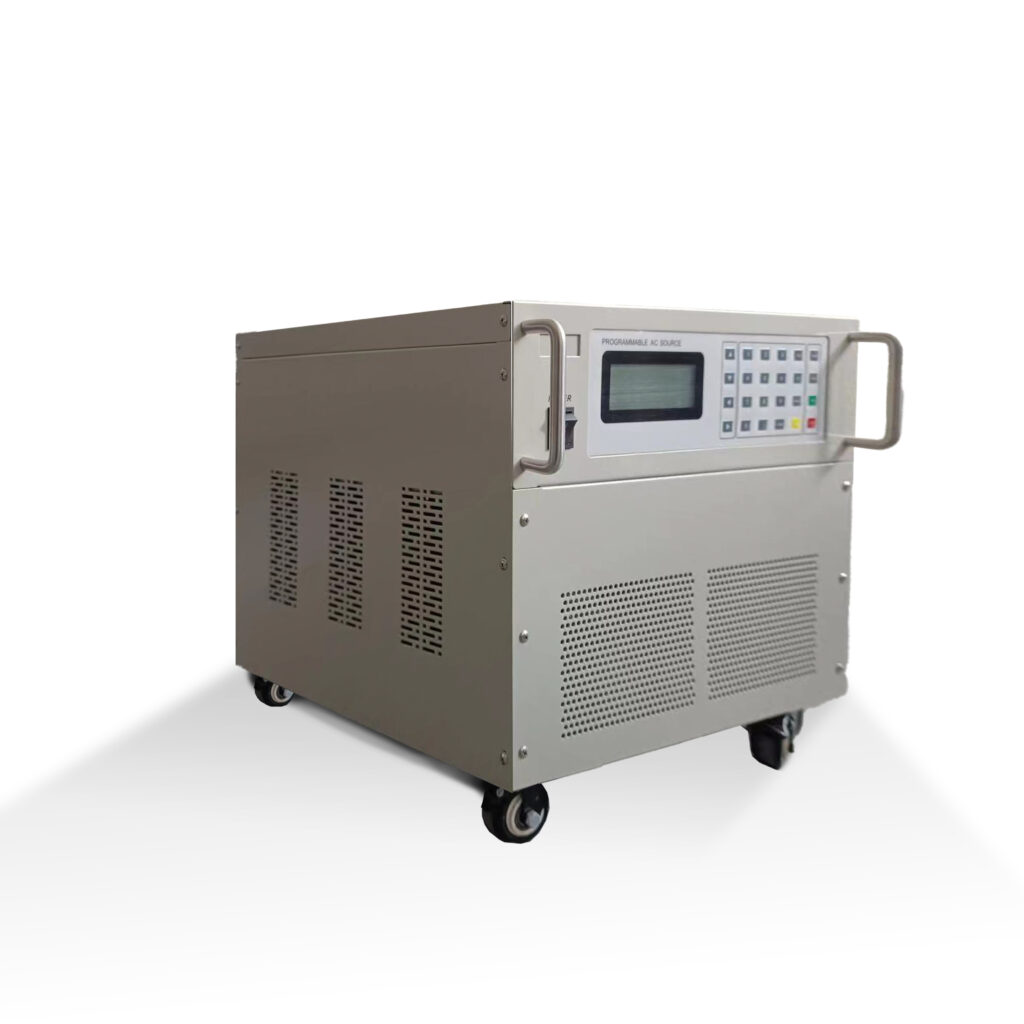
PXe-AC/DC Series AC-DC & DC-AC Static Power Converters
Industrial static power conversion between AC and DC electrical systems, from regulated DC supplies to 50Hz, 60Hz and 400Hz AC outputs.
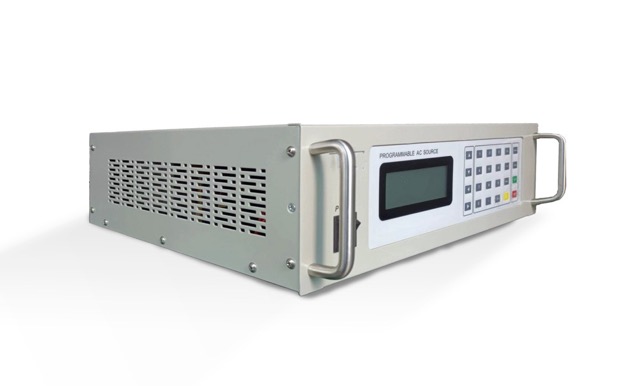
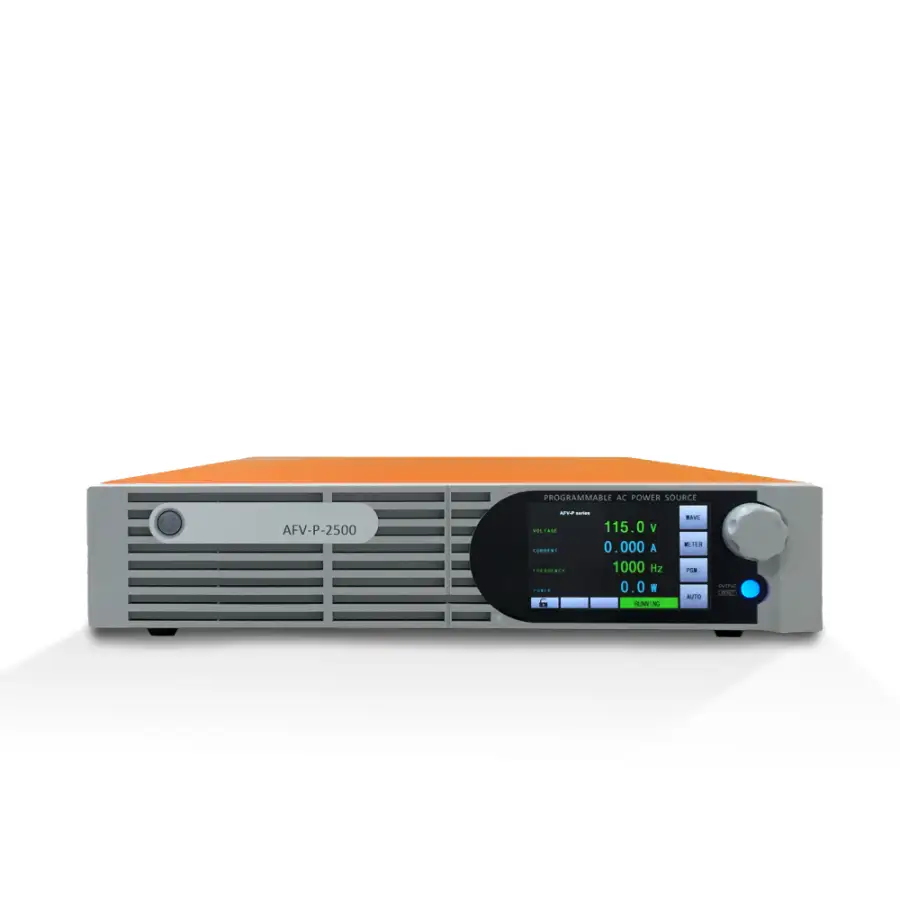
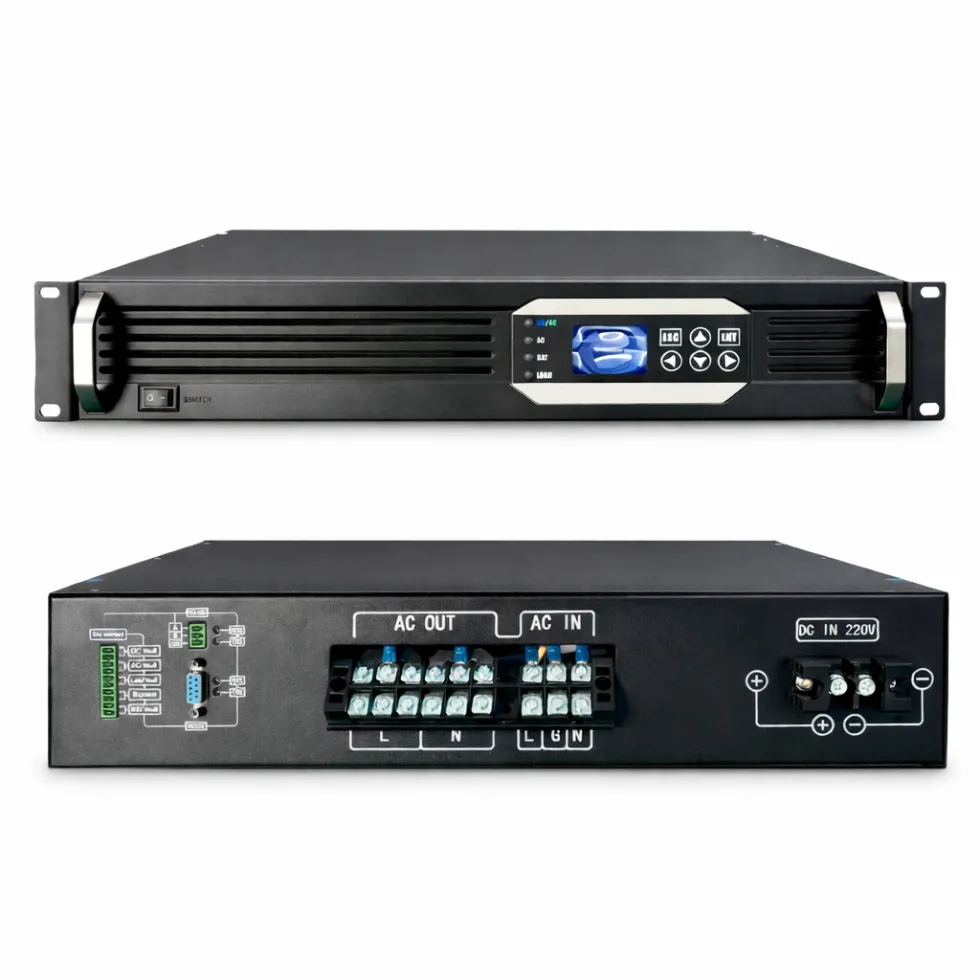
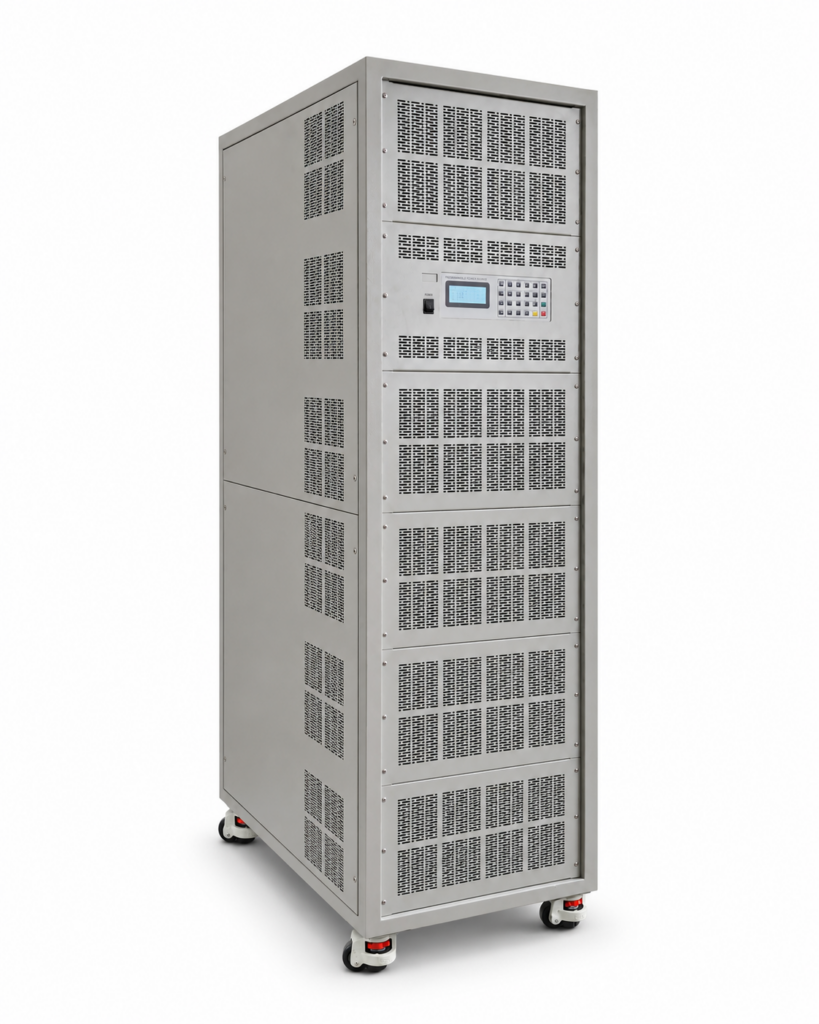
The PXe-AC/DC Series provides industrial static power conversion between AC and DC electrical systems. Two distinct converter types are available within the family: PXe-AC-DC systems convert an AC supply into a controlled DC output, while PXe-DC-AC systems generate a regulated AC supply from an available DC source.
PXe-AC-DC converters cover applications ranging from low-voltage high-current test systems through to high-voltage industrial DC supplies. Output voltage and current are selected around the connected equipment, with constant-voltage and constant-current operation available on appropriate configurations.
PXe-DC-AC converters are configured around the available battery, rectifier or DC bus and the AC power required by the connected load. Single-phase and three-phase outputs can be supplied at 50Hz, 60Hz or 400Hz, including industrial, transport and aerospace voltage arrangements.
Each converter is specified for one conversion direction. The combined PXe-AC/DC Series page brings the two related product families together but does not imply that a standard unit operates reversibly between AC and DC.
AC-DC & DC-AC Power Conversion Technical Highlights
AC-to-DC or DC-to-AC Power Conversion
Two dedicated converter platforms cover conversion in either direction. PXe-AC-DC systems provide controlled DC power from an AC source, while PXe-DC-AC systems generate regulated AC power from a DC supply.
Wide Voltage, Current and Power Capability
AC-to-DC configurations range from low-voltage high-current systems through to DC outputs up to 1200V and engineered power ratings up to 480kW. DC-to-AC systems can be configured around a wide range of battery and industrial DC bus voltages.
50Hz, 60Hz and 400Hz AC Output Options
PXe-DC-AC systems can provide fixed-frequency single-phase or three-phase AC output at 50Hz, 60Hz or 400Hz, with voltage and phase arrangement selected for the connected equipment.
Application-Based Source and Load Sizing
Converter selection considers the complete electrical system rather than nominal power alone. DC source limits, cable voltage drop, high-current connections, motor starting requirements and peak load characteristics can all affect the final system rating.
Local Monitoring and Remote Integration
Front-panel monitoring is provided according to the selected converter, with remote communication and control options available for laboratory, production, industrial and automated installations.
Product Information
The PXe-AC/DC Series contains two separate static power-conversion platforms. The first selection is therefore the required direction of conversion, based on the available electrical source and the output required by the connected equipment.
Conversion Selection
| Converter Series | Input | Output | Typical Requirement |
|---|---|---|---|
| PXe-AC-DC | Single-phase or three-phase AC | Controlled DC voltage and current | Industrial DC supply, testing, high-current or high-voltage DC applications |
| PXe-DC-AC | Battery, rectifier or DC bus | Single-phase or three-phase AC | 50Hz, 60Hz or 400Hz AC power from a DC source |
PXe-AC-DC Configuration
PXe-AC-DC converters are configured around the available AC supply, required DC voltage, required current and connected load.
Single-phase input can be used for selected lower-power systems. Higher-power and high-current converters generally use a three-phase AC supply.
| Parameter | Available Configuration |
|---|---|
| Input Phase | Single-phase on selected lower-power models or three-phase for higher ratings |
| Typical AC Input | 220/230V single-phase or 380/400V three-phase, with alternative supplies available |
| Input Frequency | 50Hz or 60Hz |
| DC Output Voltage | Application-specific, including low-voltage outputs and standard ranges up to 1200V DC |
| DC Output Current | Selected according to output voltage, continuous current and duty cycle |
| Operating Modes | Constant voltage and constant current on applicable configurations |
| Construction | Rack-mounted or floor-standing according to voltage, current and power rating |
Typical AC-to-DC Configurations
| Model | DC Output | Power | Typical Application |
|---|---|---|---|
| PXe-AC-DC-30-100 | 30V / 100A | 3kW | Component, DC motor and industrial equipment testing |
| PXe-AC-DC-30-500 | 30V / 500A | 15kW | High-current component and assembly testing |
| PXe-AC-DC-30-1000 | 30V / 1000A | 30kW | Busbar, cable and high-current testing |
| PXe-AC-DC-600-100 | 600V / 100A | 60kW | High-voltage DC systems and power electronics |
| PXe-AC-DC-1200-100 | 1200V / 100A | 120kW | High-voltage industrial and specialist DC systems |
| PXe-AC-DC-6-5000 | 0-6V / 0-5000A | 30kW | Very-high-current injection, shunt, sensor and busbar testing |
High-Current DC Installation
Low-voltage high-current systems require the complete DC output circuit to be considered during specification.
Typical DC-to-AC Configurations
Cable and busbar resistance, connection resistance, output cable length and conductor cross-section can materially reduce the voltage available at the load. For high-current applications, PX Electronics can review the proposed cable arrangement and permissible voltage drop as part of system selection.
Line voltage drop compensation or remote voltage sensing can also be considered where the required voltage needs to be maintained at the connected load rather than only at the converter output terminals.
PXe-DC-AC Configuration
PXe-DC-AC converters are configured around the available DC source and the AC supply required by the connected equipment.
The nominal DC voltage alone is not always sufficient for converter selection. Battery and transport systems can operate across a relatively wide voltage range, so the minimum and maximum DC operating voltages should be confirmed together with the available source current.
| Parameter | Available Configuration |
|---|---|
| DC Input | Configured around the nominal, minimum and maximum voltage of the DC source |
| Typical Nominal Inputs | 24/28V, 48V, 110/125V, 220V, 270V, 440V, 600V or 750V DC |
| AC Output Phase | Single-phase or three-phase, with neutral where required |
| AC Output Voltage | Configured for the connected equipment, including 115/200V, 120/208V and standard industrial AC voltages |
| Output Frequency | 50Hz, 60Hz or 400Hz |
| Output Connection | Single-phase, three-phase three-wire or three-phase four-wire with neutral |
| Construction | Rack-mounted, mobile or floor-standing according to power rating and DC input current |
DC Source and Input Current Assessment
For a given AC output power, lower DC input voltages require higher DC input current. This affects cable size, protective devices, connectors, cooling and the practical maximum converter rating.
Battery applications should be assessed at the minimum expected DC voltage, as this is normally where the converter draws its highest input current.
The nominal, minimum and maximum DC voltage together with the continuous and short-duration current available from the source should therefore be provided when specifying a PXe-DC-AC converter.
Model Identification
The PXe-AC/DC Series retains separate model identification for each conversion direction.
PXe-AC-DC identifies converters with an AC input and DC output.
PXe-DC-AC identifies converters with a DC input and AC output.
The final model and order documentation identify the input supply, output requirement, capacity, enclosure, control arrangement and connection requirements.
Representative Model References
| Model | Conversion | Configuration | Rating |
|---|---|---|---|
| PXe-AC-DC-30-100 | AC to DC | AC input to 30V / 100A DC output | 3kW |
| PXe-AC-DC-6-5000 | AC to DC | AC input to 0-6V / 0-5000A DC output | 30kW |
| PXe-440-1K | DC to AC | 440V DC to 120/208V 3PH 400Hz | 1kVA |
Alternative Voltage and Current Ratings
AC-to-DC output voltage and current can be configured around the required operating point, subject to the available AC input and total converter power.
Alternative DC Input Ranges
PXe-DC-AC converters can be configured around battery, rectifier and industrial DC buses where the complete operating voltage range is known.
Single-Phase or Three-Phase AC Output
DC-to-AC systems can be supplied with single-phase or three-phase output, including three-phase four-wire arrangements where a neutral is required.
50Hz, 60Hz or 400Hz Output
Fixed-frequency DC-to-AC configurations are available according to the connected equipment and application.
Programmable Voltage and Current Control
Selected PXe-AC-DC systems provide adjustable voltage and current with constant-voltage and constant-current control.
Line Voltage Drop Compensation
Voltage-drop compensation or remote sensing can be considered for high-current DC systems where cable resistance would otherwise reduce the voltage delivered to the load.
Remote Control and Communications
Remote communication is available according to the selected controller. Interfaces can include RS232, RS485, Modbus, GPIB or Ethernet depending on converter type and configuration.
Higher Ingress Protection
Alternative enclosure protection levels can be supplied for installations requiring increased protection from dust, moisture or the surrounding environment.
Conformal Coating
Selected internal electronic assemblies can be conformally coated for humid, corrosive or condensation-prone environments.
Rack-Mount and Floor-Standing Construction
Lower-power converters can be supplied in rack-mounted formats where voltage, current and cooling requirements allow. Higher-power and high-current systems are generally supplied in floor-standing enclosures.
Application-Specific Connections
Hard-wired terminals, high-current busbars, industrial connectors, MIL-standard connectors and customer-specific cable assemblies can be supplied according to the application.
Factory Acceptance Testing
Application-specific FAT can include voltage and current checks, output regulation, protection operation, communication testing and agreed operating points.
Third-Party Witness Testing
Customer or independent third-party witnessed factory testing can be arranged where required.
The PXe-AC/DC Series contains two electrically different converter types, so the AC-to-DC and DC-to-AC specifications are shown separately.
PXe-AC-DC Technical Specification
| Specification | PXe-AC-DC Series |
|---|---|
| Conversion | AC input to controlled DC output |
| Power Range | Lower-power systems through to engineered converters up to 480kW |
| Input Phase | Single-phase or three-phase according to rating |
| Typical Input Voltage | 220/230V single-phase or 380/400V three-phase, depending on configuration |
| Input Frequency | 50Hz or 60Hz |
| DC Output Voltage | Application-specific; standard ranges include outputs up to 1200V DC |
| DC Output Current | Selected according to voltage and total power; specialist high-current configurations available |
| Operating Modes | Constant voltage and constant current on applicable models |
| Ripple | 1% FS |
| Load Regulation | ±1% FS |
| Voltage Setting Range | 10% to 100% rated voltage in constant-voltage mode |
| Current Setting Range | 10% to 100% rated current in constant-current mode |
| Setting Accuracy | Voltage ±1%; current ±1% |
| Protection | Overvoltage, overcurrent, overtemperature and short-circuit protection |
| Cooling | Forced-air cooling |
| Construction | Rack-mounted or floor-standing according to rating |
PXe-DC-AC Technical Specification
| Specification | PXe-DC-AC Series |
|---|---|
| Conversion | DC input to regulated AC output |
| Typical Nominal DC Inputs | 24/28V, 48V, 110/125V, 220V, 270V, 440V, 600V and 750V DC |
| AC Output Phase | Single-phase or three-phase |
| AC Output Voltage | Application-specific, including 115/200V, 120/208V and standard industrial AC voltages |
| Output Frequency | 50Hz, 60Hz or 400Hz |
| Voltage Accuracy | < ±1% FS |
| Frequency Accuracy | < ±0.1% FS |
| Output THD | <3% with linear load, pure sine-wave output |
| Load Current Crest Factor Capability | 3:1 |
| Overload Capacity | 100% continuous with short-duration overload capability according to selected model |
| Standard Interface | RS232C |
| Optional Interfaces | RS485, GPIB or Ethernet |
| Protection | Overcurrent, overvoltage, overpower, overtemperature and short-circuit protection with alarms and indicators |
| Construction | Rack-mounted, mobile or floor-standing according to rating |
| Operational Temperature | -10°C to 55°C |
| Recommended Ambient | -10°C to 45°C |
| Humidity | 10% to 90% RH, non-condensing |
| Cooling | Forced-air cooling |
Yes. Specialist high-current systems are available. For example, the PXe-AC-DC-6-5000 provides adjustable output up to 6V DC and 5000A.
Yes, provided the converter is correctly sized. Motors, transformers, compressors and equipment with significant starting current should be assessed against both continuous power and inrush requirements.
Yes, on applicable configurations. Adjustable voltage and current with constant-voltage and constant-current operation are available where required.
Yes. Fixed-frequency 50Hz, 60Hz and 400Hz configurations are available, with single-phase or three-phase output according to the application.
Not as a standard configuration. The two conversion directions use different power-conversion arrangements and are specified separately. Applications requiring genuinely bidirectional power flow should be reviewed individually.
Typical nominal inputs include 24/28V, 48V, 110/125V, 220V, 270V, 440V, 600V and 750V DC. The minimum and maximum operating voltage should also be confirmed when the converter is specified.
The output is configured around the application. The range covers low-voltage high-current systems through to outputs up to 1200V DC.
For AC-to-DC systems, provide the available AC input, required DC voltage and current, continuous power, load type and duty cycle.
For DC-to-AC systems, provide the nominal, minimum and maximum DC input voltage, available source current, required AC phase arrangement, voltage, frequency, continuous load and starting demand.
The PXe-FVS Series is intended primarily for compact lower-power battery applications. The PXe-DC-AC Series covers more specialised industrial power conversion, including three-phase outputs, 400Hz systems, higher-voltage DC buses and application-specific configurations.
The PXe-AC/DC Series brings together PX Electronics industrial AC-to-DC and DC-to-AC power conversion systems. PXe-AC-DC models provide controlled DC power from an AC source, while PXe-DC-AC models generate regulated AC power from a DC supply.