
PXe-DC-AC Series DC Input Static Frequency Converters | SFC
PXe-000-0kA-DC Series
PX Electronics PXe-DC-AC Series Static Frequency Converters convert an available DC supply into a stable, regulated AC output. Systems can be configured for single-phase or three-phase output, with the voltage, frequency and capacity selected around the connected equipment.
The range is intended for battery systems, high-voltage DC distribution, aerospace power buses, transport installations and specialist test systems where equipment requires controlled 50Hz, 60Hz or 400Hz AC power from a DC source.
The PXe-440-1K is an example 1kVA configuration. It accepts a nominal 440V DC input and provides a three-phase, four-wire 120/208V AC output at 400Hz. Alternative DC input ranges, AC output voltages, phase arrangements and capacities can be configured following technical review.
Technical Highlights for DC-to-AC Frequency Conversion
Regulated AC Output from a DC Source
Converts battery, rectifier or DC distribution power into a controlled sine-wave AC output, maintaining stable voltage and frequency as the DC source varies within its specified operating range.
Single-Phase, Three-Phase & Multi-Frequency Configurations
Available with single-phase or three-phase AC output, including three-phase four-wire systems with neutral, and fixed-frequency options for 50Hz, 60Hz and 400Hz applications.
Flexible DC Input & Load Compatibility
Can be configured around low-voltage battery systems, industrial DC supplies, aerospace power buses and higher-voltage transport networks. A 3:1 crest factor supports suitable electronic and rectifier-fed loads within the RMS and peak-current capability of the selected converter.
Overload Capability & Stable Output Performance
Designed to maintain controlled AC output under changing operating conditions, with selected models providing short-duration overload capability for equipment with temporary peak demand.
Integrated Monitoring & Protection
Front-panel metering provides voltage, current, frequency, power and power-factor information, with protection against overcurrent, overload, overvoltage, overtemperature and short circuit.
Product Information
PXe-DC-AC Series Configurations
PXe-DC-AC Series Static Frequency Converters can be configured around the nominal DC input, permitted voltage range, required AC output, connected load and installation environment.
The complete DC operating range must be considered when selecting the converter. Battery and transport DC systems may operate across a relatively wide voltage range during charging, discharge and normal operation.
Available Configurations
| Parameter | Available Configuration |
|---|---|
| DC Input | Configured around the nominal DC bus voltage and its minimum and maximum operating limits |
| Typical Nominal Inputs | 24/28V, 48V, 110/125V, 220V, 270V, 440V, 600V or 750V DC |
| AC Output Phase | Single-phase or three-phase, with neutral where required |
| AC Output Voltage | Configured to suit the equipment, including 115/200V, 120/208V and standard industrial AC voltages |
| Output Frequency | Fixed 50Hz, 60Hz or 400Hz |
| Capacity | Selected according to the DC input voltage, available source current and AC load requirement |
| Output Connection | Single-phase, three-phase three-wire or three-phase four-wire with neutral |
| Control | Local front-panel operation with optional RS232C, RS485 or GPIB interface |
| Construction | Rack-mounted, mobile or floor-standing, depending on capacity and input current |
| Connections | Hard-wired terminals, EN 60309, MIL-standard or customer-selected connectors |
Common Input and Output Arrangements
| DC Input Type | Typical Input | AC Output | Typical Application |
|---|---|---|---|
| Low-Voltage Battery | 24/28V or 48V DC | Single-phase 50Hz, 60Hz or specialist AC output | Mobile, battery-backed and remote electrical equipment |
| Industrial DC Bus | 110/125V or 220V DC | Single-phase or three-phase 50Hz or 60Hz | Utilities, telecommunications, control and standby systems |
| Aerospace DC Bus | 270V DC | 115/200V or 120/208V at 400Hz | Aircraft, avionics and defence power systems |
| High-Voltage DC Bus | 440V DC | 120/208V three-phase at 400Hz | PXe-440-1K example configuration and specialist power systems |
| Transport DC Network | 600V or 750V DC | Single-phase or three-phase 50Hz or 60Hz | Rail, light-rail and transport auxiliary systems |
The configurations shown above are examples rather than fixed catalogue combinations. Final availability depends on the required capacity, permitted DC input range, load type and installation requirements.
DC Input Current and Cable Selection
A lower DC input voltage requires more input current to deliver the same AC output power. This affects the practical converter capacity as well as the input protection, cable cross-section, terminal arrangement and cooling requirement.
The converter should therefore be selected using:
- Nominal DC input voltage
- Minimum DC operating voltage
- Maximum DC operating voltage
- Continuous current available from the DC source
- Short-duration current available during load starting
- DC cable length and cross-section
- Permitted voltage drop
- Source protection and isolation
- Earthing or floating-bus arrangement
For battery systems, the minimum input voltage near the end of discharge is particularly important because this is normally when the converter draws its highest DC input current.
Specifying a PXe-DC-AC Static Frequency Converter
The converter should be selected using the complete DC input range and the electrical characteristics of the AC load.
Information Required
| Requirement | Information to Provide |
|---|---|
| DC Source | Battery bank, rectifier, industrial DC bus, transport supply or other DC source |
| Input Voltage Range | Nominal, minimum and maximum DC voltage |
| Available DC Current | Maximum continuous and short-duration current available from the source |
| AC Output | Required phase arrangement, voltage, frequency and neutral connection |
| Continuous Load | Total load in kVA, kW or amperes |
| Load Type | Resistive, inductive, capacitive, rectifier-fed, motor, transformer or mixed load |
| Starting Demand | Inrush current, starting duration and whether several loads start together |
| DC System Arrangement | Earthed or floating DC bus, polarity, isolation and protective device arrangement |
| Control | Local control, remote communication, external I/O and required measurement readback |
| Installation | Rack-mounted, mobile or floor-standing construction, enclosure rating and environmental conditions |
| Compliance | Required EMC, aviation, military, railway or project-specific standards |
Available Options
Alternative DC Input Ranges
The input stage can be configured around the nominal and operating range of the available DC source.
Single-Phase or Three-Phase AC Output
The converter can be supplied with an AC output arrangement selected for the connected equipment.
Alternative AC Output Voltages
Output voltage can be configured for industrial, transport, aviation and specialist electrical loads.
50Hz, 60Hz or 400Hz Output
Fixed output-frequency configurations are available according to the application.
Output Neutral
A three-phase four-wire output with neutral can be supplied where the load includes phase-to-neutral equipment.
Remote Communication
Optional RS232C, RS485 and GPIB interfaces are available for remote control and monitoring.
DC Input Protection
Project-specific input protection can include DC isolation, overvoltage protection, undervoltage monitoring and polarity protection where required.
Application-Specific Connectors
Hard-wired terminals, EN 60309 connectors, MIL-standard connectors and customer-selected connection arrangements are available.
Higher Ingress Protection
Alternative enclosure arrangements can be considered for dusty, damp or exposed installations.
Conformal Coating
Selected internal electronic assemblies can be coated for humid, corrosive or condensation-prone environments.
Cables and Terminations
DC input cables, AC output cables, connectors and application-specific cable assemblies can be supplied.
Rack-Mount and Mobile Construction
Smaller units can be supplied in rack-mounted formats. Mobile bases or floor-standing construction can be provided for larger systems.
Factory Acceptance Testing
Factory test records, customer witness testing and project-specific acceptance procedures can be supplied where required.
PXe-440-1K Example Specification
The PXe-440-1K is an example PXe-DC-AC Series configuration. Alternative DC input ranges, output voltages and capacities can be engineered to suit the application.
| Specification | PXe-440-1K |
|---|---|
| Capacity | 1kVA |
| Input / Output Arrangement | DC input / three-phase AC output |
| Nominal DC Input | 440V DC |
| Example DC Input Range | 374V to 517V DC |
| Output Voltage | 120V L-N / 208V L-L, three-phase plus neutral |
| Rated Output Current | 2.75A per phase at 120V |
| Output Frequency | 400Hz |
| Voltage Accuracy | Less than ±1% full scale |
| Frequency Accuracy | Less than ±0.1% full scale |
| Output THD | Less than 3% with a linear load, pure sine-wave output |
| Crest Factor | 3:1 |
| Overload Capacity | 100% continuous; below 110% for 15 minutes; below 125% for 10 minutes; below 150% for 1 minute; below 200% for 5 seconds |
| Standard Interface | None |
| Optional Interfaces | RS232C, RS485 or GPIB |
| Protection | Overcurrent, overload, overvoltage, overtemperature and short-circuit protection, with alarms and indicators |
| Enclosure | IP22 rack-mount enclosure |
| Display | Digital frequency, voltage, current, power and power-factor indication |
| Connections | Hard-wired terminals, EN 60309, MIL-standard or customer-selected connectors |
| Operational Temperature | -10°C to 55°C |
| Ambient Temperature | -10°C to 45°C |
| Humidity | 10% to 90%, non-condensing |
| Altitude | Below 1,800 metres |
| Cooling | Variable-speed fan, with air intake at the base and exhaust at the rear |
| Acoustic Noise | Less than 65dB at 1 metre |
| Overall Efficiency | Greater than 85% |
| MTBF | 50,000 hours |
| MTTR | Less than 30 minutes |
| Dimensions | 430 × 600 × 178mm |
| Weight | 32kg |
| Standards | CE marked; UL conforming; GB 50054-95; GB 50150-1991; GB 50150-2006; GB 50171-1992; GB/T 16935.5-2008; GB/T 16935.4-2011; EN IEC 61000-3-2; EN 61000-3-3; EN 55032; EN 55035; MIL-STD-461; MIL-STD-704; STANAG 1008 |
Note: The PXe-440-1K is an example specification. Input range, capacity, dimensions, weight, protection and environmental performance are confirmed for each selected DC-to-AC configuration.
Yes. The series can be configured for fixed 50Hz, 60Hz or 400Hz output depending on the application.
Yes. The converter maintains its regulated AC output while the DC source remains within the specified minimum and maximum operating range.
Yes, provided it is correctly sized for the continuous load and starting demand.
Motors, compressors, transformers and equipment with large input capacitors should be assessed using their inrush current and its duration.
Optional RS232C, RS485 and GPIB interfaces are available. The required commands, status signals and measurement readback should be confirmed when ordering.
Yes. The inverter stage can generate a controlled three-phase output. A neutral can also be provided where the connected equipment requires phase-to-neutral power.
A lower DC input voltage requires more current to deliver the same output power.
Low-voltage systems therefore need larger cables, terminals and protective devices and may have a lower practical maximum capacity than higher-voltage DC systems.
A general-purpose inverter usually provides a standard single-phase 50Hz or 60Hz output from a battery.
The PXe-DC-AC Series can be configured for specialist single-phase or three-phase outputs, including 400Hz power, high-voltage DC input and wider DC operating ranges.
Typical nominal inputs can include 24/28V, 48V, 110/125V, 220V, 270V, 440V, 600V and 750V DC.
The final input range is configured around the source and required output power.
PX Electronics will require the nominal, minimum and maximum DC input voltage, available DC current, required AC phase arrangement, output voltage and frequency, continuous load, load type, starting current, neutral requirement, installation arrangement and applicable standards.
A DC-to-AC Static Frequency Converter takes power from a DC source and generates a regulated AC output at the required voltage, phase arrangement and frequency.
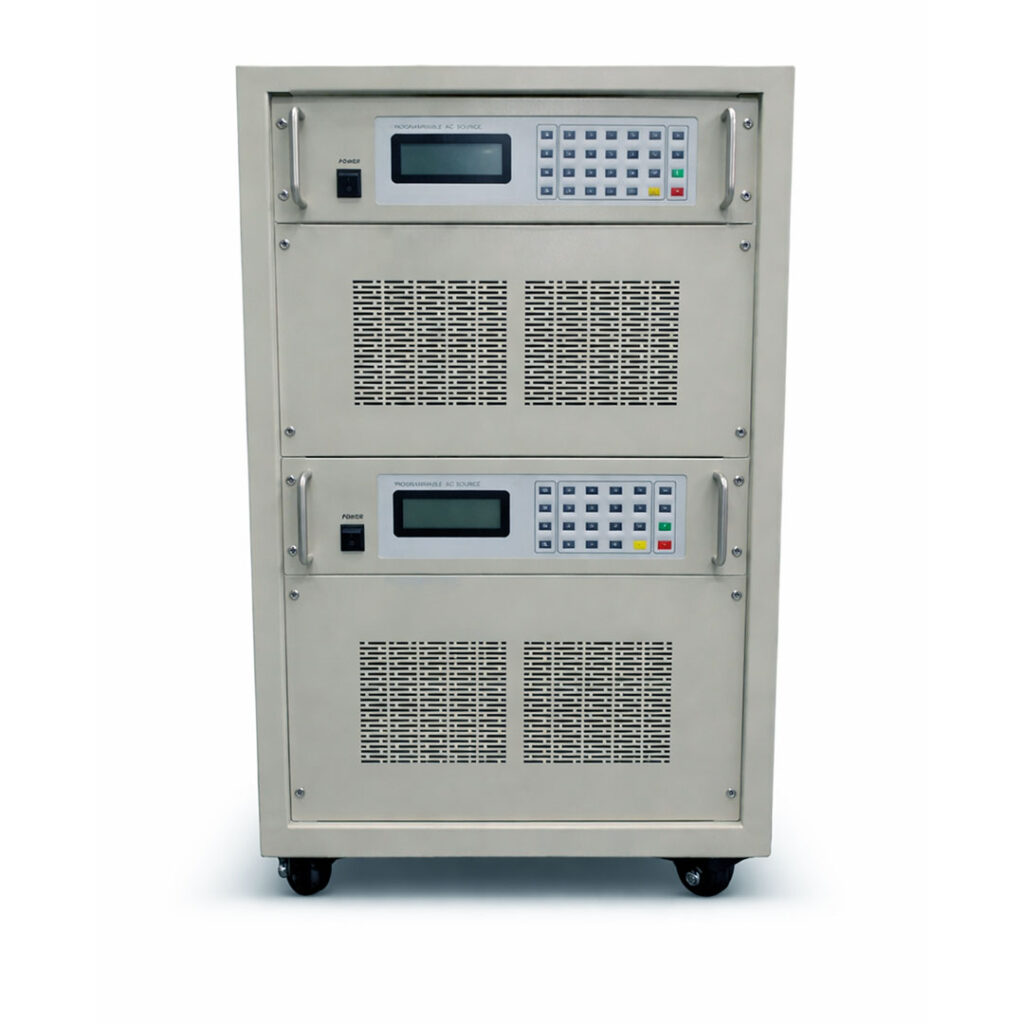
PXe-400F-DC Series Aircraft 400Hz and 28Vdc Avionics Ground Power Units | GPU
PXe-330000-400F-DC Series
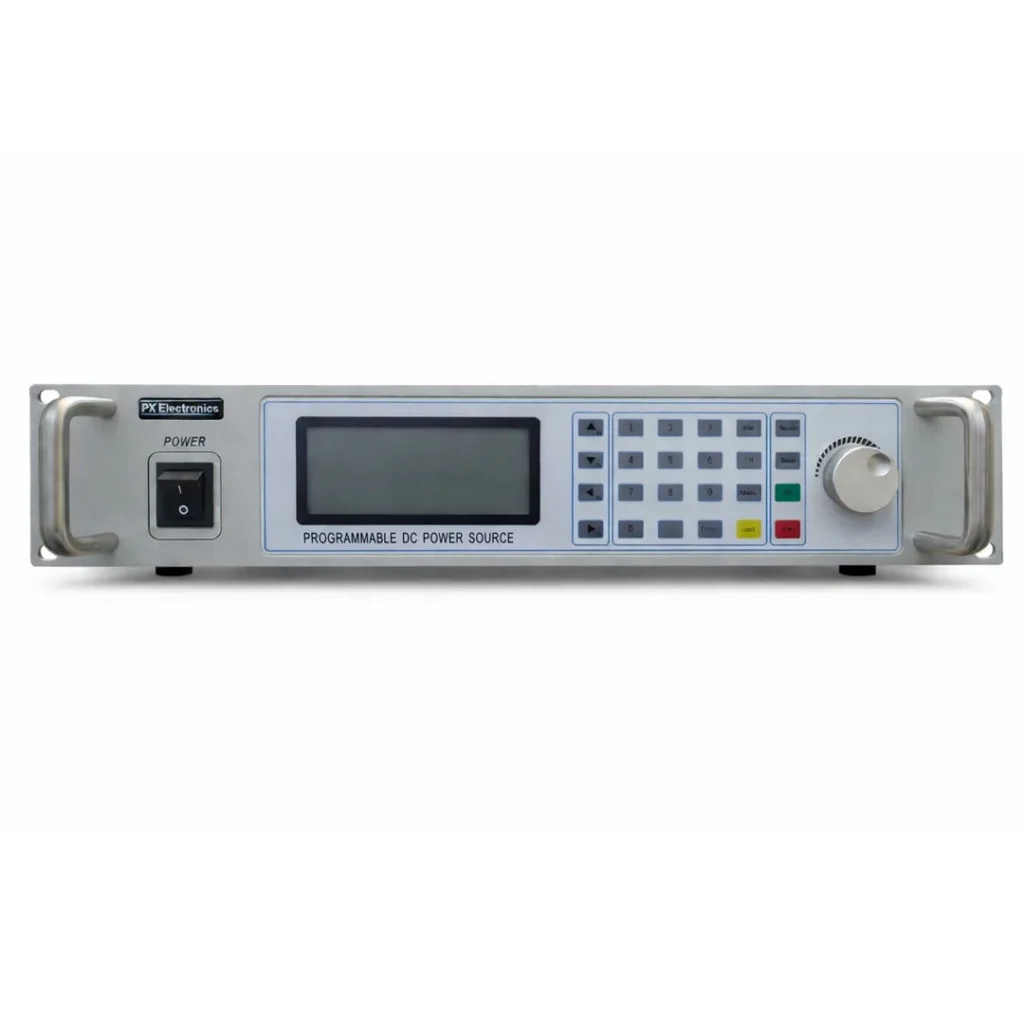
PXe-AC-DC Series DC Output Static Converters
PXe-1-60-0000-AC-DC
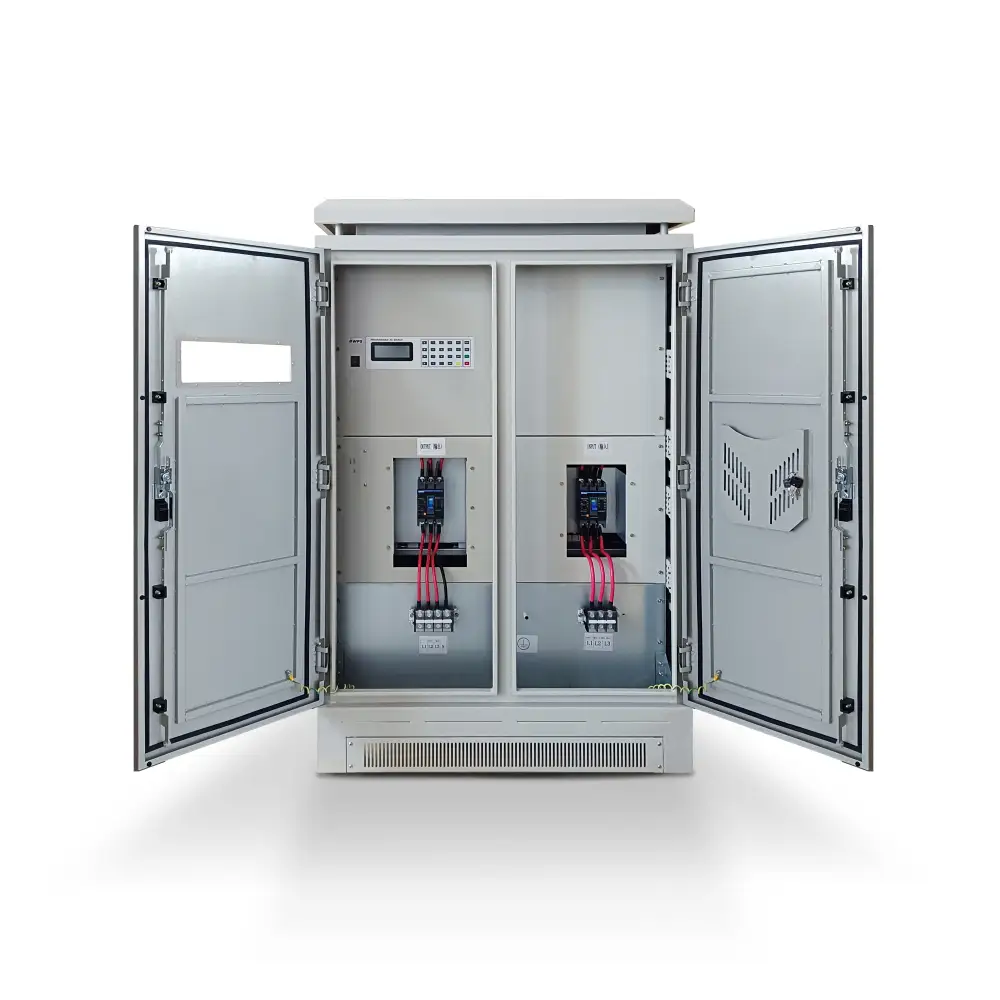
PXe-C Series Three Phase Static Frequency Converters | SFC
PXe-330000-C Series
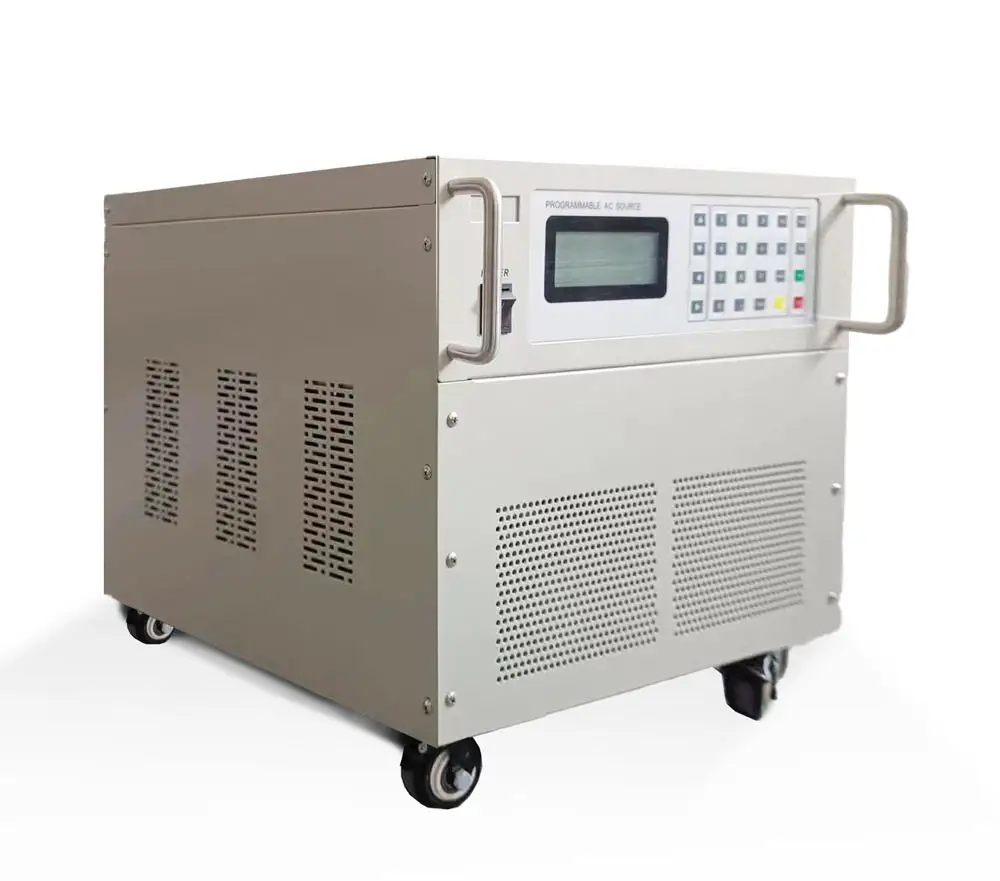
PXe-F Series 400Hz Static Frequency Converter | SFC
PXe-330000-400-F Series
PXe-M series Single Phase Input to Three Phase Output Static Frequency Converters
PXe-130000-M Series
PXe-S Series Single Phase Static Frequency Converter | SFC
PXe-110000-S Series